Fast Charging Protocols
Preface
In simple terms, a fast charging protocol is like a set of "communication codes" between your phone and charger. Only when the two devices match the codes can fast charging be activated. If not, your phone will only charge at the standard slow speed (around 10W, 5V/2A).
Fast charging protocols fall into two main categories: Universal Public Protocols (work for most brands, like a common language) and Brand-exclusive Private Protocols (only for specific brands, like local dialects). Below is a detailed introduction to each mainstream protocol, including supported brands, working principles and maximum charging power.
Part 1: Universal Public Protocols (Widely Compatible)
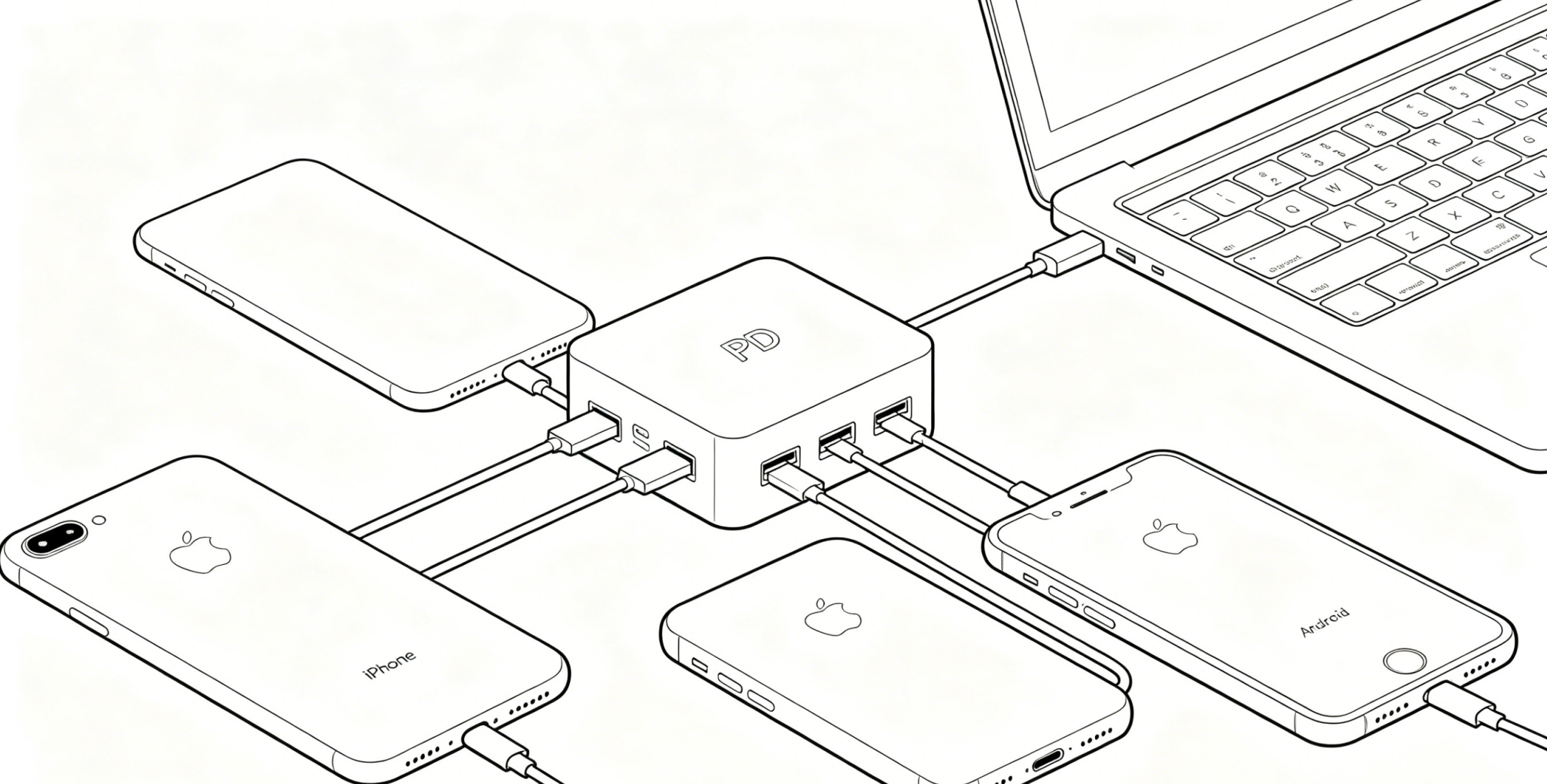
1. USB-PD (Power Delivery)
Core IntroductionDeveloped by the USB Implementers Forum (USB-IF), it is the most mainstream global universal fast charging standard. Major brands including Apple, Samsung and Chinese smartphone manufacturers all participate in its formulation.
- Supported Brands: iPhone (iPhone 8 and newer models), Samsung, Huawei, Xiaomi, vivo, OPPO, all laptops and tablets
- Working Principle: It adopts a high voltage & low current solution, with adjustable voltage levels (5V/9V/12V/15V/20V). The Type-C port completes protocol recognition through dedicated pins for safe and stable charging.
- Max Charging Power: The latest USB-PD 3.1 supports up to 240W (mainly for laptops). For smartphones, the common power range is 18W–45W. The peak charging power of iPhones reaches 38W, and Samsung’s flagship phones support up to 45W.
- Key Tip: One USB-PD charger works for almost all mobile phones, tablets and laptops. iPhone users need a Type-C to Lightning cable to enable PD fast charging.
2. UFCS (Universal Fast Charging Specification)
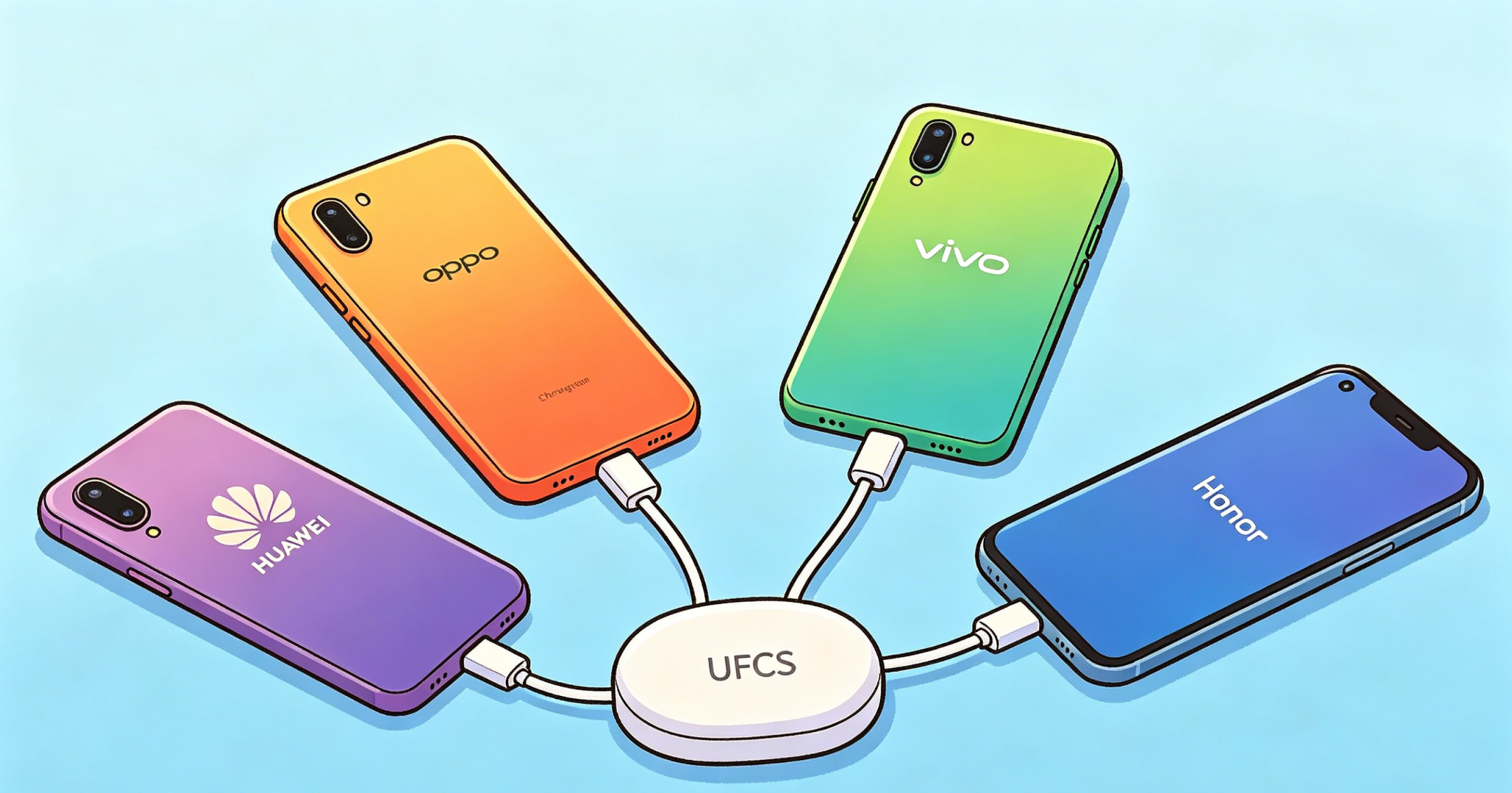
Core IntroductionJointly launched by Huawei, OPPO, vivo and Honor, and officially recognized as an international standard in 2025. It is a new universal protocol for Chinese smartphones, designed to realize cross-brand fast charging.
- Supported Brands: Huawei, Honor, OPPO, realme, OnePlus, vivo, iQOO
- Working Principle: It combines low voltage & high current technology and supports dynamic power adjustment. It is also backward compatible with USB-PD and PPS protocols.
- Max Charging Power: Up to 240W (applied on realme flagship phones). The mainstream power ranges from 40W to 100W. Cross-brand devices can reach full 40W fast charging without original chargers.
- Key Tip: Phones of mainstream Chinese brands can charge each other at full speed with a single UFCS charger, no need to carry brand-specific chargers.
3. QC (Qualcomm Quick Charge)
Core IntroductionDeveloped by Qualcomm, the world’s leading chipmaker. It was once the mainstream fast charging standard for old Android phones and is now gradually phased out.
- Supported Brands: Old-generation Android phones (early Xiaomi, Samsung, OnePlus, OPPO devices), part of tablets
- Versions & Max Power:
- QC 2.0: 18W (9V/2A)
- QC 3.0: Dynamic voltage regulation (3.6V–20V), 18W–24W
- QC 4+: Compatible with USB-PD, 27W–30W (rare on new devices)
- QC 5: Up to 100W (only for experimental devices)
- Key Tip: It is suitable for backup use on old Android phones, but generates more heat than USB-PD. New smartphones rarely adopt this protocol.
Part 2: Brand-exclusive Private Protocols
These protocols are independently developed by individual brands. In most cases, only original chargers and official cables can trigger full-speed fast charging.
1. Huawei & Honor: FCP / SCP Super Charge
- FCP (Early Version):Max power: 18W (9V/2A). Used on old models such as Huawei Mate 8 and P9.
- SCP (Current Mainstream):Adopts low voltage & high current design with excellent temperature control.Max power: 22.5W / 40W / 66W / 100W.Supported devices: Huawei Mate series, P series, Honor digital series.
- Key Tip: An official 5A charging cable and certified charger are required for full-speed charging. Third-party accessories can hardly reach the rated power.
2. OPPO, realme & OnePlus: VOOC / SuperVOOC Flash Charge
VOOC is the pioneer of low-voltage high-current fast charging in the industry.
- Original VOOC: 20W (5V/4A)
- SuperVOOC (Current Mainstream):Max power: 65W / 80W / 100W / 150W / 240W (the highest mass-produced power so far, equipped on realme phones).Supported devices: OPPO Find series, X series, OnePlus digital series, realme flagship phones.
- Key Tip: It uses customized 7-pin cables and interfaces. Non-original accessories can only provide standard 5V slow charging.
3. vivo & iQOO: FlashCharge
- Max Power: 33W / 44W / 55W / 80W / 120W / 200W
- Supported devices: vivo X series, iQOO gaming phones
- Working Principle: Low voltage & high current design. Backward compatible with USB-PD and UFCS. Third-party chargers can trigger partial fast charging power.
- Key Tip: Widely used on gaming phones. A 200W version can fully charge a phone in about 10 minutes.
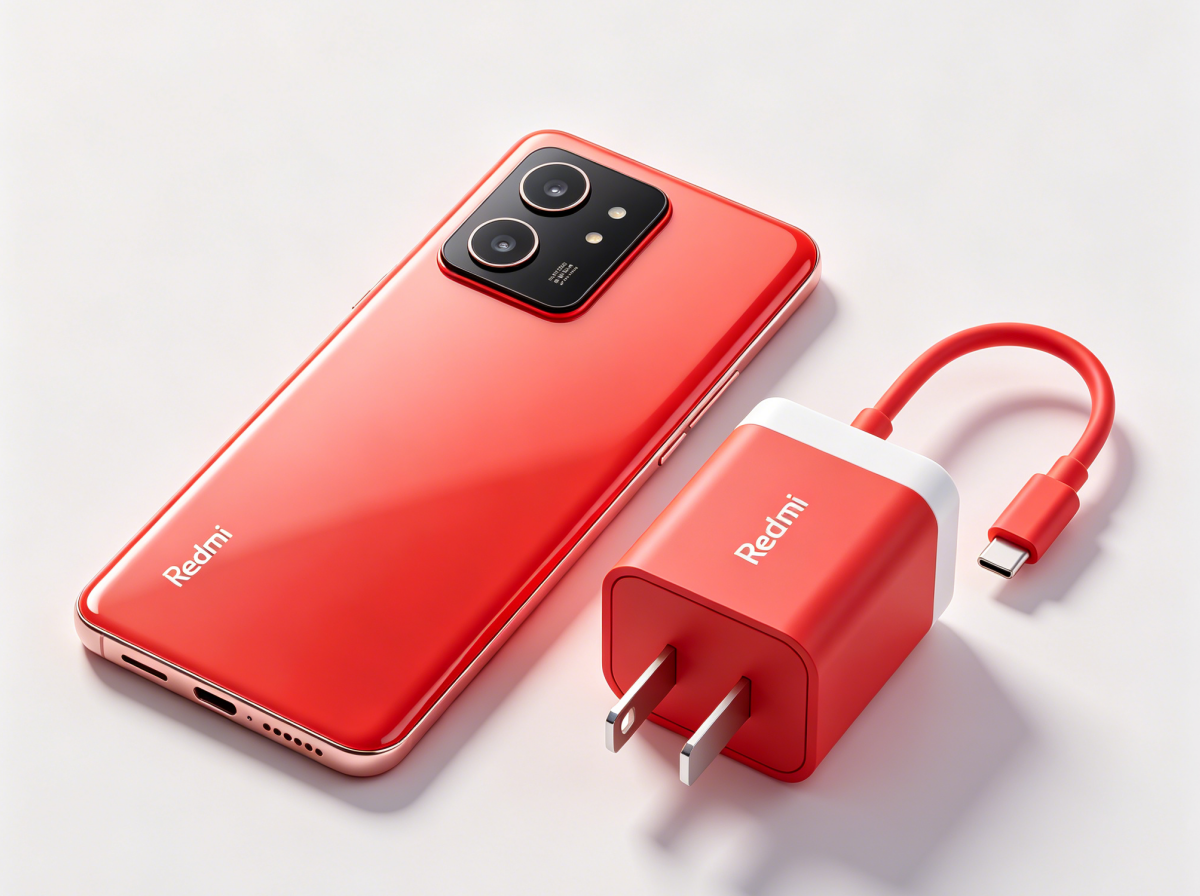
4. Xiaomi & Redmi: Mi Turbo Charge
Modified based on USB-PD and PPS protocols, with good compatibility.
- Max Power: 30W / 67W / 90W / 120W (300W technology is still in the laboratory stage)
- Supported devices: Xiaomi digital series, Redmi K series
- Key Tip: It is highly compatible with mainstream universal protocols. Third-party chargers can still reach 18W–30W fast charging.
5. Apple
Apple does not launch independent private fast charging protocols, and fully adopts the USB-PD standard.
- Max Power:iPhone 8 to iPhone 11: 18WiPhone 12 to iPhone 15: 20W–29WiPhone 15 Pro Max: Peak power up to 38W
- Key Tip: To enable fast charging, you need a USB-PD charger and a Type-C to Lightning cable. The old 5W standard charger is no longer recommended.
6. Samsung: AFC (Adaptive Fast Charging)
- Max Power: 15W / 25W / 45W
- Working Principle: High voltage & low current design, compatible with QC 2.0 and USB-PD. Third-party PD chargers can activate full-speed charging.
- Key Tip: One 45W AFC charger works for Samsung mobile phones and tablets.
Protocol Type Maximum Power Representative Brands Compatibility USB-PD Universal 240W All brands, Laptops ★★★★★ UFCS Universal 240W Huawei, OPPO, vivo, Honor ★★★★ QC (Qualcomm) Old Universal 100W Old Android devices ★★ Huawei SCP Private 100W Huawei, Honor ★ (Original accessories required) OPPO SuperVOOC Private 240W OPPO, realme, OnePlus ★ (Original accessories required) vivo FlashCharge Private 200W vivo, iQOO ★★ Xiaomi Turbo Charge Private 120W Xiaomi, Redmi ★★★ Samsung AFC Private 45W Samsung ★★★★
Part 4: Practical Guide to Choosing Chargers & Cables
- For universal use: Choose a 30W–65W USB-PD charger. It fits almost all mobile phones and laptops.
- For cross-brand Chinese phones: Pick a 40W+ UFCS charger for Huawei, OPPO, vivo and Honor devices.
- Huawei & Honor users: Prepare an original 40W+ SCP charger and 5A official cable.
- OPPO, realme & OnePlus users: Use the original SuperVOOC charger and cable for full-speed charging.
- iPhone users: A 20W–30W USB-PD charger plus a Type-C to Lightning cable is the best choice.
- Samsung users: A 25W/45W USB-PD or AFC charger is sufficient.
- Part 5: Summary & Industry Trend
- Universal Protocols (USB-PD / UFCS): Prioritize compatibility and convenience. One charger serves multiple devices.
- Private Protocols: Deliver the top charging speed, but mostly rely on original brand accessories.
- Future Trend: More new products will adopt dual protocols of UFCS + USB-PD. Major brands are gradually opening up their private protocols. In the future, users will no longer need to carry a pile of different chargers.